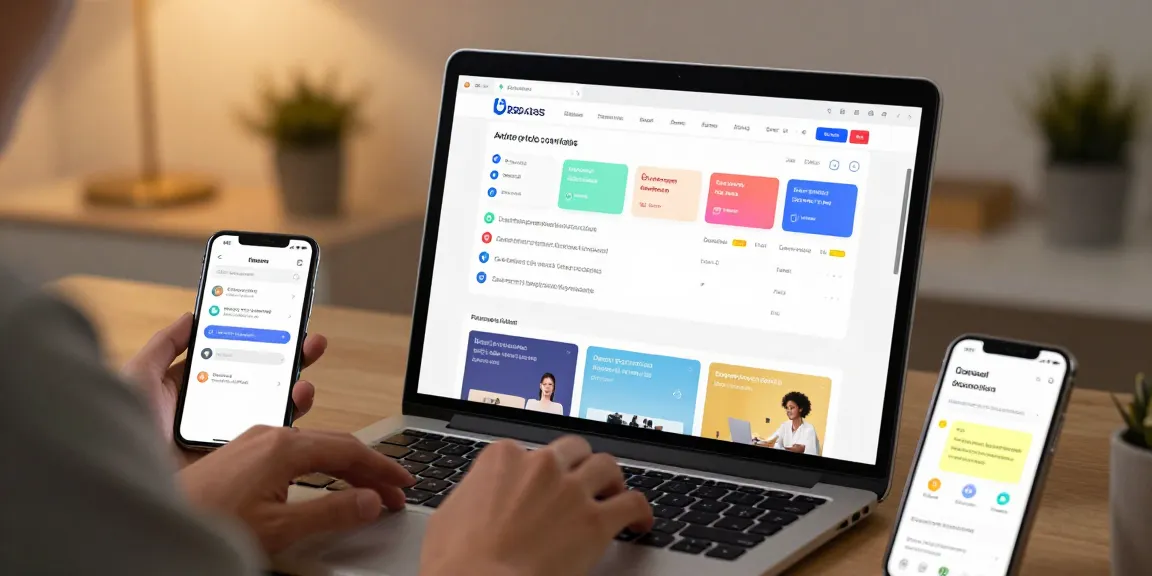
Understanding Clawdbot AI: The Future of Personal Assistants
As artificial intelligence continues to evolve, the demand for efficient personal assistants has increased significantly. clawdbot ai embodies this evolution, offering users a powerful tool to enhance productivity in their daily lives. This open-source solution is designed to be self-hosted, ensuring that users maintain command over their data while leveraging AI capabilities that streamline their workflows.
What is Clawdbot AI?
Clawdbot AI is an innovative personal assistant designed to automate a myriad of tasks, from managing emails and calendars to facilitating communication across multiple messaging platforms. Unlike conventional assistants, Clawdbot operates autonomously, capable of executing multi-step actions that save users precious time and effort. Built on an open-source architecture, Clawdbot allows its users to customize and extend its capabilities according to their personal or business needs.
Key Features of Clawdbot AI
- Self-Hosting: Users have complete control over their data and system settings.
- Universal Integration: Connects seamlessly with over 100 messaging platforms like WhatsApp, Telegram, and Discord.
- Web Automation: Executes browser actions, interacts with web applications, and scrapes data automatically.
- Customizable Skills: Users can create custom plugins or utilize community-built skills to enhance functionality.
- Contextual Memory: Builds a personalized understanding of user habits over time, adapting its responses and actions accordingly.
Why Choose Self-Hosted Solutions?
Self-hosted solutions like Clawdbot AI offer distinct advantages over cloud-based counterparts. Notably, self-hosting provides enhanced privacy and control over data. Users can choose whether to run the assistant entirely offline or connected to preferred cloud AI providers. This flexibility means that sensitive conversations and information remain secured within the user’s infrastructure, addressing growing concerns about data privacy.
Installation Process: A Step-by-Step Guide
Choosing the Right Installation Method
The installation process for Clawdbot AI is designed to cater to a wide range of users, from novices to advanced developers. Depending on the operating system and user preferences, there are several options available. These include one-liners for macOS/Linux and Windows, npm and pnpm packages for Node.js environments, and various methods for more hands-on installations.
Hardware Requirements for Optimal Performance
To get the most out of Clawdbot AI, it’s important to consider hardware requirements. Running on a Mac mini is a popular choice due to its balance of performance and energy efficiency. A minimum of 8GB RAM and a modern CPU are recommended to ensure smooth operation, especially when running multiple tasks or plugins simultaneously.
Post-Installation Configurations
After installation, users should engage in a series of configuration steps to tailor Clawdbot AI to their specific needs. This includes setting up permissions for various tasks, integrating with messaging platforms, and customizing skills to enhance functionality. The more users interact with Clawdbot, the better it understands their workflow, leading to a more personalized experience.
Integrations and Automation: Powering Workflows
Connecting Clawdbot with Popular Messaging Platforms
Clawdbot AI’s ability to integrate with platforms such as WhatsApp, Telegram, Discord, and Slack allows users to manage tasks directly through their preferred communication channels. By sending commands via chat, users can instruct Clawdbot to perform actions such as scheduling meetings, sorting emails, or even drafting responses autonomously.
Streamlining Tasks with Web Automation
This assistant excels in performing repetitive web tasks, such as filling out forms or scraping information from web pages. By automating these processes, Clawdbot empowers users to focus on more critical aspects of their work, significantly increasing productivity.
Building Custom Plugins and Skills
For those with specific needs, Clawdbot AI allows users to develop custom plugins. This extensible architecture means that advanced users can not only modify existing functionalities but also create entirely new skills tailored to their unique workflows, enhancing the Assistant’s overall utility.
Cost Analysis: Understanding Clawdbot’s Value
Comparing Clawdbot’s Costs to Competitors
One of the standout advantages of Clawdbot AI is its cost-effectiveness. While traditional AI assistants can charge between $20 and $50 per month, Clawdbot operates on a pay-as-you-go API model, with estimated monthly costs ranging from $5 to $50, depending on usage. This transparent pricing structure allows users to manage their budgets effectively while still gaining access to powerful AI assistance.
Estimating API Usage Expenses
Users should consider their typical usage patterns when estimating costs. For instance, heavy usage of advanced models or frequent automation tasks may lead to higher API utilization, which in turn affects the overall monthly expenditure. However, the flexibility of Clawdbot’s pricing model ensures that users only pay for what they utilize.
Long-term Savings of Self-Hosting
By opting for self-hosting, users can save substantially over time, particularly when compared to subscription-based models. The freedom to run Clawdbot on personal hardware allows for significant cost control while maintaining the advantage of high customization to meet personal or business needs.
User Experience: Real-World Applications of Clawdbot AI
Case Studies of Successful Implementations
Numerous users across various industries have successfully integrated Clawdbot AI into their workflows. For example, a product manager reported a remarkable improvement in task management, thanks to Clawdbot’s ability to triage emails and manage their calendar autonomously. Similarly, a freelance designer highlighted the assistant’s efficacy in managing client communications through Discord and Telegram, reducing the time spent on routine tasks.
User Testimonials and Feedback
Feedback from users emphasizes Clawdbot’s adaptability and transformative capabilities. Many users have expressed appreciation for its open-source nature, allowing them to customize features to suit their specific workflows. The community-driven aspect of Clawdbot encourages ongoing improvement and innovation, making it a continually evolving tool.
Common Challenges and Solutions
Like any tool, Clawdbot AI presents certain challenges. Users often cite the learning curve associated with its extensive features. However, the active community and comprehensive documentation available can help guide new users through any difficulties they may encounter, ensuring a smoother onboarding process.
Is Clawdbot AI easy to install?
Yes, Clawdbot AI is designed with ease of installation in mind, providing multiple methods tailored to different user needs. Whether you prefer a one-liner command or a more hands-on installation approach, Clawdbot facilitates a straightforward setup process.
What platforms does Clawdbot AI support?
Clawdbot AI supports integration with over 100 messaging platforms, including WhatsApp, Telegram, Discord, and more. This extensive compatibility allows users to leverage their preferred communication tools effectively.
How does self-hosting impact data privacy?
Self-hosting Clawdbot AI provides significant privacy advantages, giving users complete control over their data. Unlike cloud-hosted alternatives, sensitive information and conversations remain on the user’s local hardware, reducing the risk of exposure to data breaches.
Can Clawdbot integrate with my existing tools?
Absolutely. Clawdbot AI is designed to integrate smoothly with existing tools and services, enhancing productivity and ensuring a seamless workflow. Whether through pre-built integrations or custom plugins, users can connect Clawdbot with their favorite applications.
What are the future trends for personal AI assistants?
The future of personal AI assistants like Clawdbot is bright, as advancements in machine learning and natural language processing continue to improve their capabilities. Expect to see enhanced contextual understanding, further personalization, and increased integration with a wider array of devices and services.